
Wabi Sabi is a Japanese aesthetic and lifestyle that focuses on appreciating things that are transient and imperfect. The concept draws from Buddhism’s Three Marks of Existence, namely impermanence (annica), suffering (dukkha), and non-self (annata).
I first came across the concept of Wabi Sabi in a group chat with my roommates, one of which had taken a screenshot of a text her dad sent her. The text was a quote from Leonard Koren, an American artist, aesthetics expert, and writer of a book about Wabi Wabi aesthetics. The quote reads as follows:
Get rid of all that is unnecessary. Wabi-sabi means treading lightly on the planet and knowing how to appreciate whatever is encountered, no matter how trifling, whenever it is encountered. […] In other words, wabi-sabi tells us to stop our preoccupation with success–wealth, status, power, and luxury–and enjoy the unencumbered life. Obviously, leading the simple wabi-sabi life requires some effort and will and also some tough decisions. Wabi-sabi acknowledges that just as it is important to know when to make choices, it is also important to know when not to make choices: to let things be. Even at the most austere level of material existence, we still live in a world of things. Wabi-sabi is exactly about the delicate balance between the pleasure we get from things and the pleasure we get from freedom of things.”
Leonard Koren
In this quote, Koren relates Wabi Sabi back to a way of life, instructing everyone to let go of success and focus on balancing the things we have and the things we do not, while also finding beauty in that which is flawed and broken. But I digress, this quote is less important for our class and more important for my general consciousness, so I will move on.
In terms of design, Wabi Sabi finds a focus in “asymmetry, roughness, simplicity, economy, austerity, modesty, intimacy, and appreciation of the ingenuous integrity of natural objects and processes,” as according to the Wikipedia page.
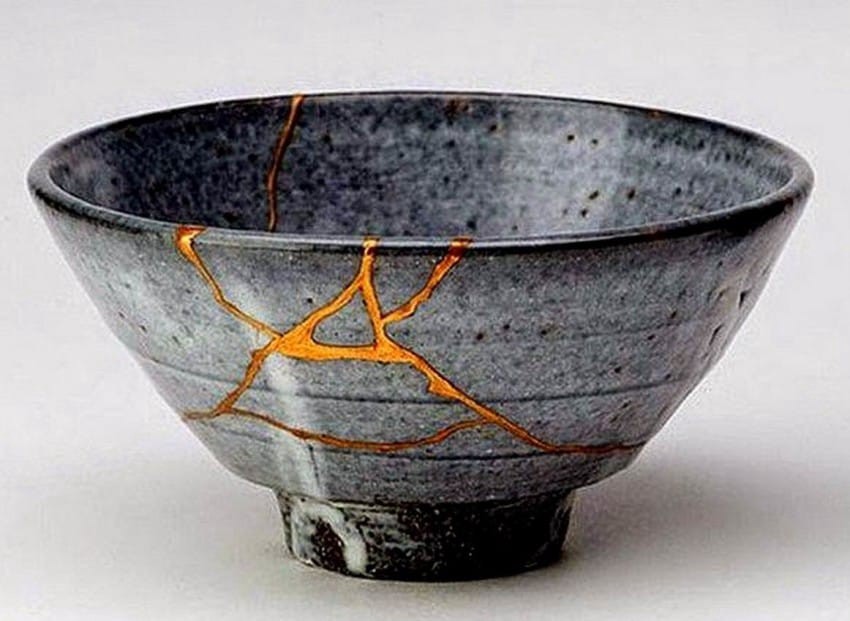
I chose to start with the bowl above to relate the philosophy of Wabi Sabi to physical objects. The image shows that the bowl shattered before being put back together with what looks like gold glue. This image perfectly demonstrates how the break in the bowl is actually what makes the bowl visually appealing. The life this bowl has lived, a life which eventually broke it, is apparent because of the gold glue used to revive it and that is what makes it beautiful.

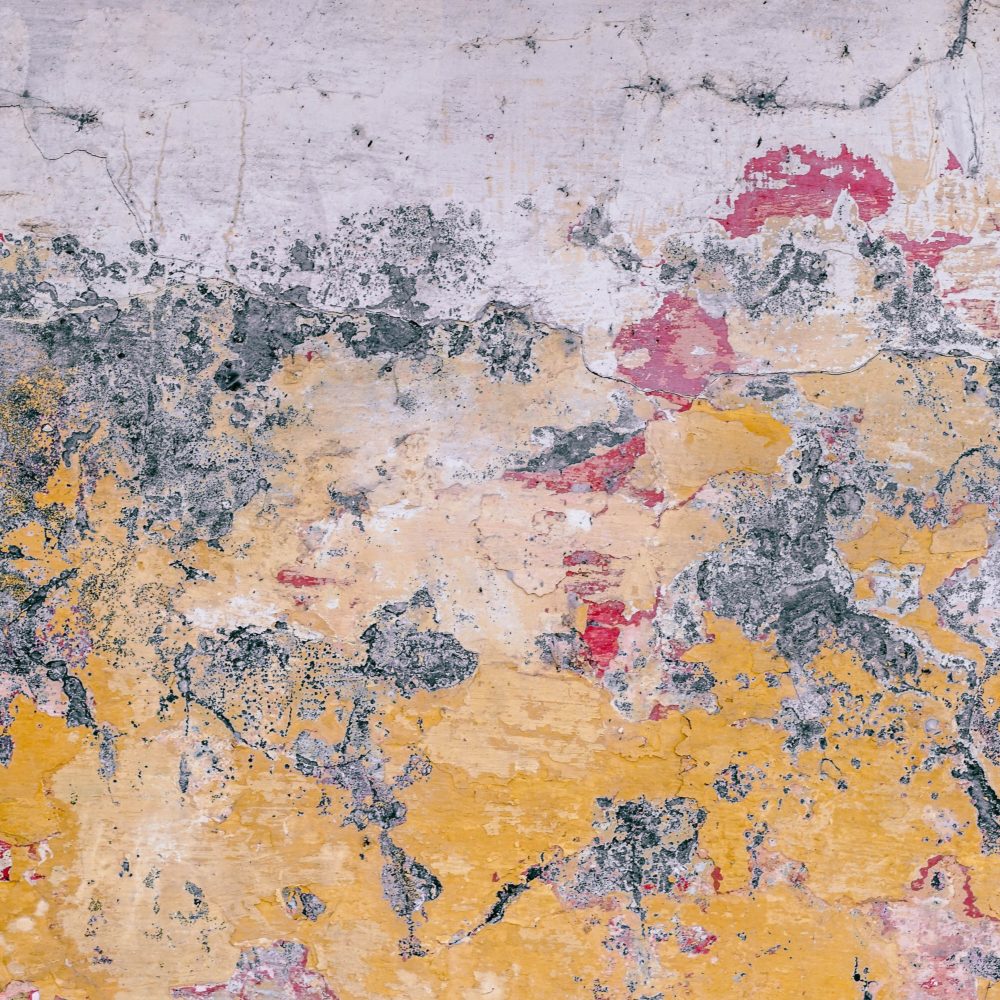

Above are three images, all of which are are dirty or broken, mundane or insignificant, and yet all three are beautiful. They are examples of the Wabi Sabi concept present in photography.


Above are two more examples of Wabi Sabi interior design and architecture. In the first, the exposed concrete wall, which is decomposing, broken, and almost archaic looking, accentuates the minimalistic design of the apartment and actually ties together room. Somehow, in that image, a piece of wall that people would normally take extreme measures to cover-up has been repurposed to look modern and edgy. In the image below, the design is similarly minimalistic, using predominately neutral colors and organic shapes.
Wabi Sabi is particularly interesting because in understanding the philosophy behind the phrase, the different images I used throughout this blog post actually all make a lot of sense together.

 Foundations of Art, Design, + Digital Culture